







Search Results for: Blue Brew
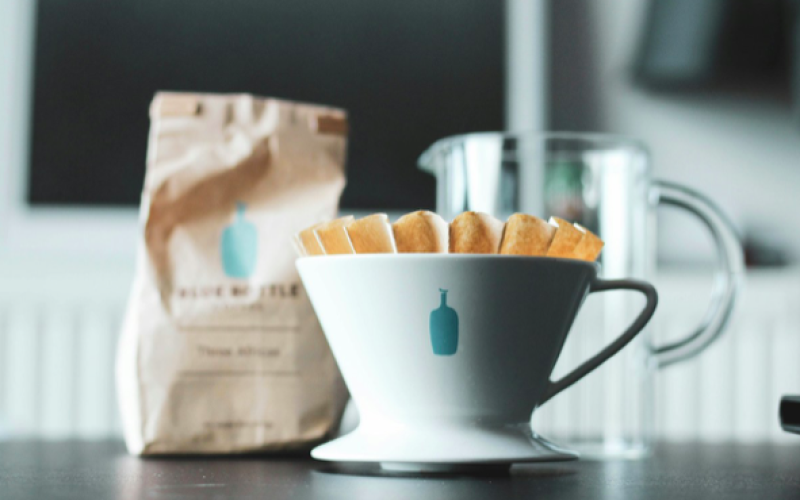
Blue Bottle Coffee Loses Trademark Case: Court Finds No Likelihood of Confusion with Blue Brew
Blue Bottle Coffee, deeply ingrained in people's minds with its minimalist small blue bottle image, has always been regarded as the Apple of the coffee world, and its blue-and-white colored utensils are also highly sought after by fans. However, the brand has not had a smooth journey in trademark enforcement. This week, Blue Bottle Coffee lost a trademark lawsuit in the United States, as a judge in the Federal District Court for the Northern District of California denied its motion for judgment against the coffee utensil brand Blue Brew, finding that the two trademarks are clearly different and that consumers would not be confused. What impact will this ruling have on Blue Bottle Coffee's trademark protection strategy? Let's take a closer look. [more…]
How to brew and drink Jamaican Blue Mountain Coffee? A detailed guide to siphon and filter bag brewing techniques and tasting methods
Blue Mountain coffee has long been regarded as the finest of all coffees. It comes from the Blue Mountains of Jamaica and takes its name from the blue light reflected off the azure waters of the Caribbean Sea. It combines a rich, mellow body with a perfect balance of sweetness, acidity, and bitterness, with almost no bitterness at all, leaving only a moderate and elegant acidity, and is usually enjoyed as a single-origin brew. To truly appreciate the essence of Blue Mountain coffee, the brewing method and the rhythm of drinking are equally crucial. This article will begin with the flavor characteristics of Blue Mountain coffee, explain how to sip it in small mouthfuls like fine wine, the order and timing for adding sugar and milk, then detail the brewing steps and water temperature control for drip-bag hot coffee, and recommend Front Street Coffee's Blue Mountain coffee beans, helping coffee lovers brew a cup of Blue Mountain coffee full of character at home. [more…]
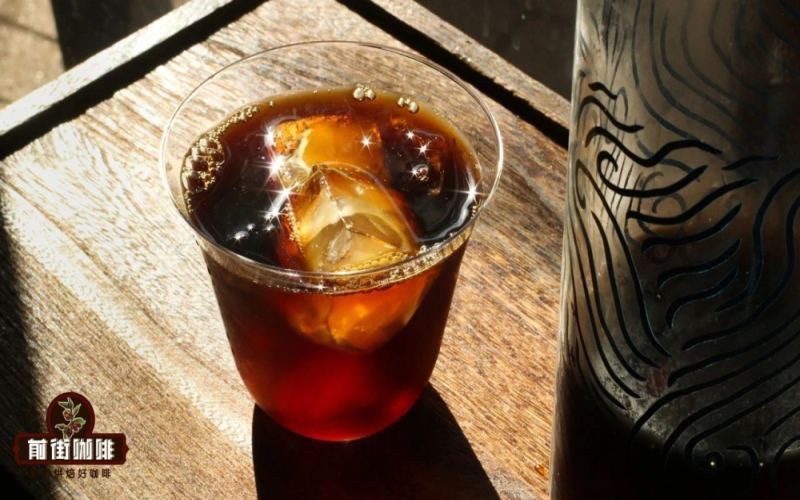
How do you make cold brew coffee taste great? A full breakdown of the coffee-to-water ratio, grind size, and steeping time for Blue Mountain cold brew
Cold brew coffee, through its unique low-temperature slow extraction process, presents a flavor profile completely different from hot brewing. This article uses Front Street Jamaica Blue Mountain No. 1 as an example to systematically explain the key points of making cold brew coffee. Starting with coffee bean selection, it analyzes why medium-light roasts are more suitable for cold brew, and provides an in-depth introduction to the origin advantages and flavor characteristics of Blue Mountain coffee. It also details key parameters such as grind size, coffee-to-water ratio, and steeping time, helping you easily make a balanced and smooth iced coffee at home. [more…]
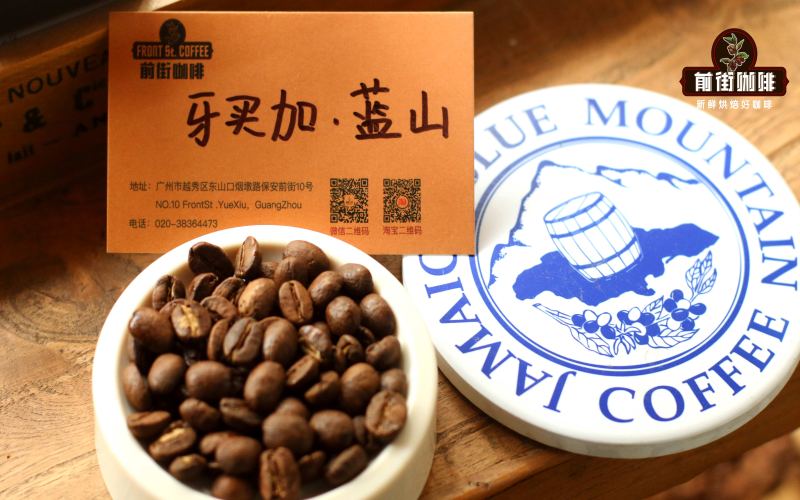
How to brew an authentic Blue Mountain No. 1 pour-over coffee that tastes great? Key identification points, brewing parameters, and step-by-step guide
Blue Mountain coffee has long enjoyed the reputation of "King of Coffee," but to truly brew a delicious cup, every step from bean selection to extraction is crucial. This article focuses on how to identify authentic Blue Mountain No. 1, the importance of fresh roasting, and the KONO dripper pour-over method recommended by Front Street Coffee, systematically covering core parameters such as water temperature, grind size, and pouring rhythm. Whether you are a beginner just getting to know Blue Mountain or an enthusiast looking to refine your pour-over technique, you will find practical guidance here to fully bring out the mellow, clean, and balanced character of Blue Mountain coffee. [more…]
Is Blue Mountain Coffee Suitable for Cold Brew? A Full Breakdown of Bean Selection, Grinding, Ratio, and Steeping Time for Cold Brew Coffee
Cold brew coffee is divided into two types: cold water immersion and ice drip, both of which use low-temperature water for extraction throughout the process. Large bitter-tasting molecules are not easily released, while sugars and organic acids dissolve more fully, so the mouthfeel is often more balanced. However, bean selection, grind size, coffee-to-water ratio, and steeping time all affect the final flavor. This article takes Front Street Jamaica Blue Mountain No. 1 as an example, first explaining the growing environment and flavor characteristics of Blue Mountain coffee, then sharing the operational details of cold brew: it is recommended to choose light to medium roast single-origin beans, grind slightly finer than for pour-over, steep for 8 to 18 hours, and keep the coffee-to-water ratio at about 1:11. Finally, it gives Front Street's cold brew method to help you make a refreshing and smooth iced coffee. [more…]
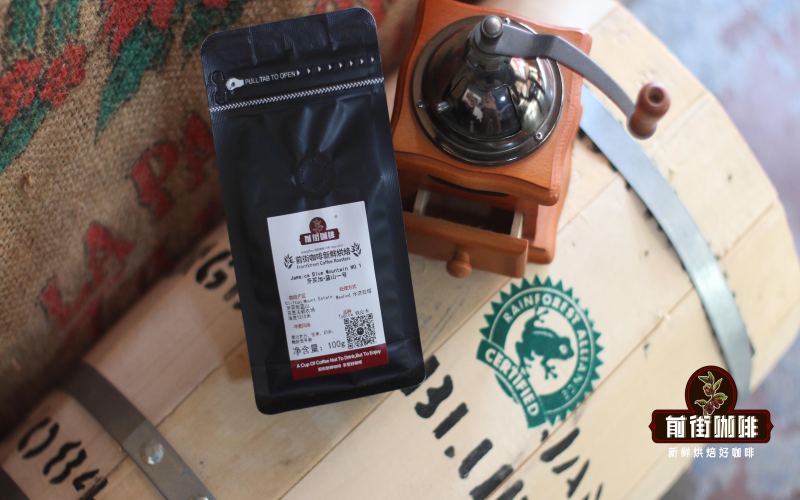
Analysis of Blue Mountain Coffee Flavor Characteristics and Pour-Over Techniques: How to Brew Front Street Blue Mountain No.1 for a Balanced, Mellow Taste
Blue Mountain coffee is an extremely well-known name in the coffee world, familiar even to those who don't drink coffee often. Front Street Blue Mountain No. 1 comes from Clifton Estate in Jamaica's Blue Mountain range, the only coffee estate in the Blue Mountain region to receive Rainforest Alliance certification. The Jamaican government has strict regulations on Blue Mountain coffee exports: authentic Blue Mountain coffee beans must be shipped in wooden barrels and accompanied by various certificates. Front Street Blue Mountain No. 1 uses the Typica variety and is roasted to a medium-dark level, pulled just before second crack, retaining a small amount of acidity. In cupping it shows a balance of acidity, sweetness, and bitterness, with soft fruity acidity, rich dark chocolate notes, and caramel sweetness. This article will introduce the origin background and roasting approach for this coffee, and share pour-over parameters and a staged pouring method to help enthusiasts brew a cup of full-bodied, sweet Blue Mountain coffee with a clean finish. [more…]
A Complete Guide to Cold Brew Coffee Ice-Water Ratios, Blue Mountain Coffee Grounds-to-Water Ratios, and Grind Settings
Cold brew coffee is made by steeping coffee in cold water for an extended period, delivering a flavor experience completely different from hot brewing. This article focuses on the details of making cold brew coffee, covering key parameters such as bean selection, grind size, steeping time, and coffee-to-water ratio. Using Jamaica Blue Mountain No. 1 as an example, Front Street Coffee shares the complete process from bean selection to finished product, and provides roasting degree recommendations and specific ratio plans suitable for cold brew, helping coffee lovers easily make a balanced and smooth iced coffee in summer. [Image 1] For more specialty coffee knowledge, follow our WeChat official account: Front Street Coffee (FrontStreet Coffee). Coffee extraction does not necessarily rely only on hot water—cold water can also complete the process. Coffee extracted with cold water is called "cold brew coffee," and its flavor profile has its own distinctive characteristics compared with hot-brewed coffee. [more…]

Siphon Coffee | How to Brew Jamaican Washed Blue Mountain No.1 Coffee with a Siphon? Are Siphon Coffee and Pour-Over Coffee Very Different in Flavor and Mouthfeel?
For more specialty coffee knowledge, please follow our WeChat official account: Front Street Coffee (FrontStreet Coffee). As the saying goes, elegance never goes out of style. Today, Front Street is bringing out a treasured piece of equipment from the shop—the siphon coffee maker—and then selecting the renowned Front Street Jamaican Blue Mountain coffee to brew a pot of siphon coffee on the spot. [more…]

Where is Jamaican Blue Mountain No. 1 coffee produced? A complete analysis of its flavor profile and pour-over brewing method
Blue Mountain coffee has frequently appeared on the world's top ten coffee bean lists since the 1970s—what exactly gives it such a prestigious reputation? This article begins with its place of origin and history, sorting through the grading standards set by the Jamaica Coffee Industry Board (CIB) and the growing region of authentic Blue Mountain coffee, to help readers distinguish genuine Blue Mountain from imitations. At the same time, Front Street Coffee will share the brewing parameters for Blue Mountain No. 1 and the three-stage pouring technique, along with a cold brew recipe, so you can fully experience the chocolate, nut, and caramel flavors of this "King of Coffee" at home. [more…]
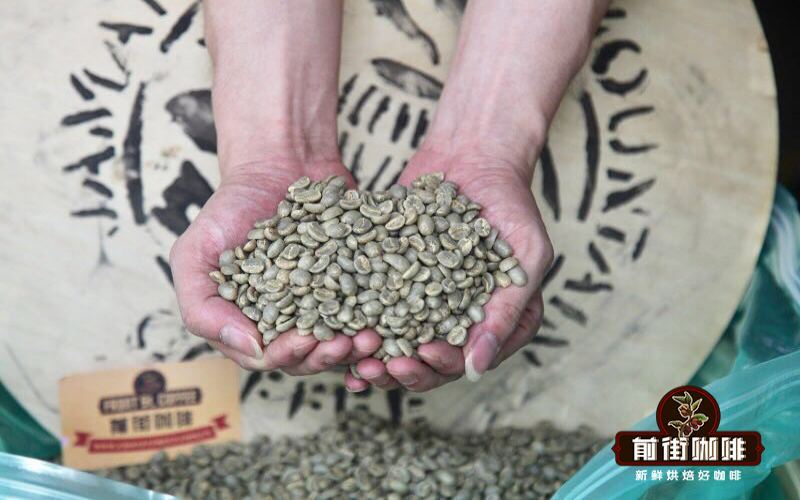
How to hand-brew Blue Mountain No. 1 coffee beans for the best taste? A full guide from bean selection and roasting to brewing parameters and tasting methods
To enjoy an outstanding cup of Blue Mountain coffee, good beans alone are not enough—the roasting plan, extraction parameters, and drinking method are equally crucial. This article focuses on Jamaican Blue Mountain No. 1 coffee beans. It first explains the origin and flavor characteristics of authentic Blue Mountain coffee, then introduces the specification standards of the NO.1 grade and the cultivation and processing details of Clifton Estate, followed by an analysis of Front Street Coffee's roasting approach and recommended peak flavor period, and finally provides a complete pour-over plan, including grind size, water temperature, dripper selection, coffee-to-water ratio, staged pouring technique, and total extraction time, to help you consistently brew a cup of Blue Mountain coffee with balanced acidity, sweetness, and bitterness and a clean mouthfeel. [more…]
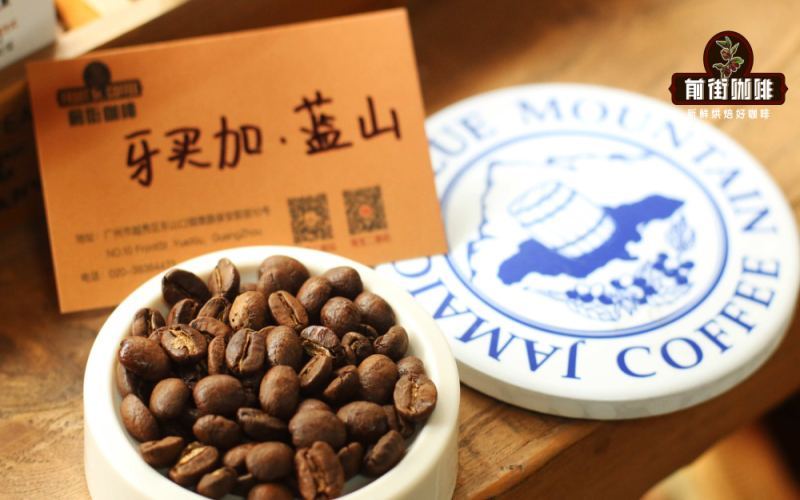
The Complete Guide to Pour-Over Jamaican Blue Mountain Coffee: Water-to-Coffee Ratio, Water Temperature, and Three-Pour Technique Explained
Blue Mountain coffee is scarce in production and commands a high price per cup in cafés, leading many enthusiasts to buy Blue Mountain coffee beans and brew them at home by pour-over to save money. However, few people can accurately bring out the flavor of Blue Mountain coffee. This Clifton Estate Blue Mountain No. 1, introduced by Front Street Coffee, comes from the oldest coffee estate in the Blue Mountains and is the only Blue Mountain estate with Rainforest Alliance certification. It uses the Typica variety and washed processing, and its flavor is known for dark chocolate, nuts, cream, and a balance of acidity, sweetness, and bitterness. This article will systematically explain how to correctly brew Blue Mountain coffee by pour-over from four dimensions—water temperature, grind size, coffee-to-water ratio, and brewing technique—to help you consistently present this top-tier bean's richness and balance at home. [more…]
Front Street Blue Mountain Coffee Home Brewing Guide: How Water Temperature, Grind, and Coffee-to-Water Ratio Affect Flavor, and Whether You Should Add Milk
Front Street Blue Mountain Coffee is produced in the Blue Mountains of Jamaica and is famous for its balanced sweetness, acidity, and bitterness, with almost no bitter taste. This article is aimed at coffee enthusiasts and introduces practical methods for brewing Front Street Blue Mountain Coffee at home, including key points for the simple tea strainer method, American-style drip coffee maker, and paper filter pour-over. It focuses on key parameters such as controlling the water temperature at 84-86°C, choosing a filter cup with a slower flow rate, a coffee-to-water ratio of 1:13 to 1:14, and an extraction time of about 1 minute 50 seconds, and also answers the question of whether to add milk and sugar. The full text retains Front Street Coffee brand content and is suitable for readers who want to brew a balanced, full-bodied Blue Mountain flavor at home. [more…]
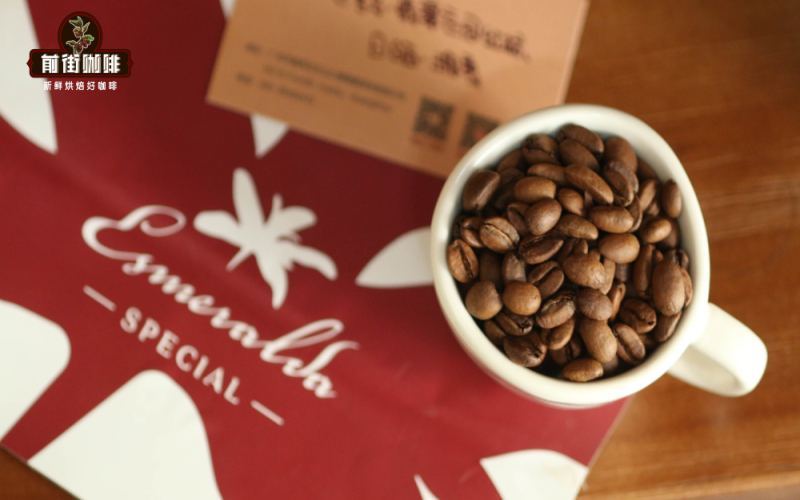
The Complete Guide to Panama Blue Label Geisha Pour-Over: Comparison of Different Drippers, Cold Brew Parameters, and Flavor Performance
The Geisha from Panama's Hacienda La Esmeralda has long been regarded as the representative of floral-type coffee, and the Blue Label, as one of its grades with outstanding value for money, is suitable for everyday pour-over exploration. This article focuses on Front Street Coffee's Panama Blue Label Geisha, first introducing its origin, grade, and processing method, then providing specific water temperatures, grind sizes, coffee-to-water ratios, pouring rhythms, and extraction times for four methods—the Kalita three-hole trapezoid dripper, V60, cake filter, and cold brew—along with a description of each one's flavor direction. Whether you pursue complexity, balanced richness, or a crisp and refreshing taste, you can find a corresponding brewing plan here, and at the end of the article there is also a comparative summary of different devices and selection advice. [more…]
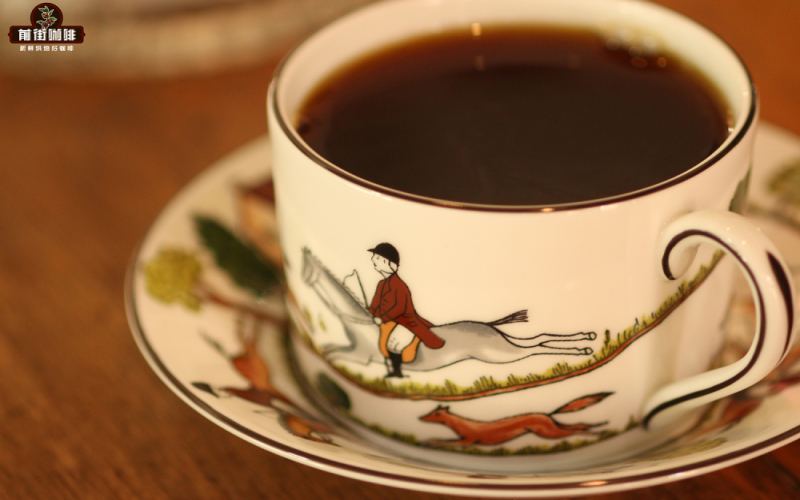
Flavor Characteristics and Pour-Over Parameters of Jamaican Blue Mountain Coffee: Front Street Coffee Teaches You to Achieve Classic Balance
Many coffee enthusiasts who buy Blue Mountain coffee beans from Front Street Coffee often wonder how to brew them by hand to bring out the flavor they deserve. Starting from Front Street Coffee's Blue Mountain coffee bean information, this article introduces you to the estate background of Clifton Farm, the legally designated growing region and grading of Blue Mountain coffee, the washed processing method, and its balanced flavor profile—full-bodied, with nutty and chocolate notes, bitter yet not burnt. At the same time, Front Street Coffee will share brewing approaches tailored to these dark-roasted beans, including dripper recommendations, to help you brew a classic, balanced beauty. [more…]
Jamaica Blue Mountain Coffee Pour-Over Practical Guide: From Bean Identification to Coffee-to-Water Ratio and Detailed Three-Stage Pouring
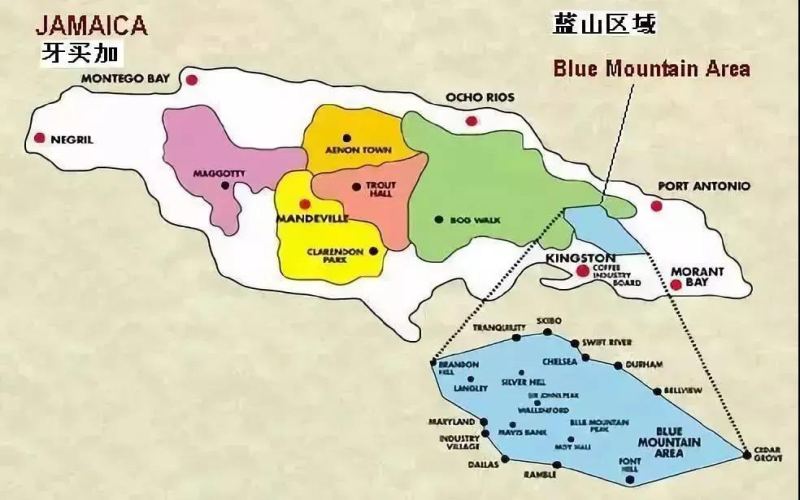
To brew an authentic cup of Jamaican Blue Mountain coffee at home, having the beans alone is not enough. The key lies in understanding this bean's varietal characteristics and regional grading, and then matching them with the right water temperature, grind size, and pouring rhythm. Drawing on the hands-on experience of Front Street Coffee, this article first helps you recognize the difference between genuine Blue Mountain and Blue Mountain-flavored coffee, then gradually breaks down the coffee-to-water ratio, water temperature selection, dripper pairing, and three-stage pouring technique for pour-over Blue Mountain coffee, so that you can consistently reproduce a balanced, full-bodied cup of Blue Mountain coffee at home. [more…]
An Analysis of Jamaican Blue Mountain Coffee Flavor Characteristics: Does Blue Mountain No. 1 Contain a Minty Note and Is It Feasible to Brew
Jamaican Blue Mountain coffee is hailed as a shrine-level treasure of the coffee world, and its unique flavor stems from the superior natural conditions of the high-altitude mountains of eastern Jamaica. This article will explore in depth the taste characteristics of Blue Mountain No. 1 coffee and answer the question enthusiasts often ask: whether the mint note genuinely exists and whether it can be brought out through brewing. At the same time, it introduces the Blue Mountain NO.1 coffee recommended by the Front Street Coffee brand, covering everything from variety and altitude to flavor details, taking you through a comprehensive look at the charm of this legendary coffee. [more…]
How Should Front Street Blue Mountain No. 1 Coffee Be Brewed to Taste Best? A Full Breakdown of Pour-Over Parameters and Drip Coffee Bag Instructions
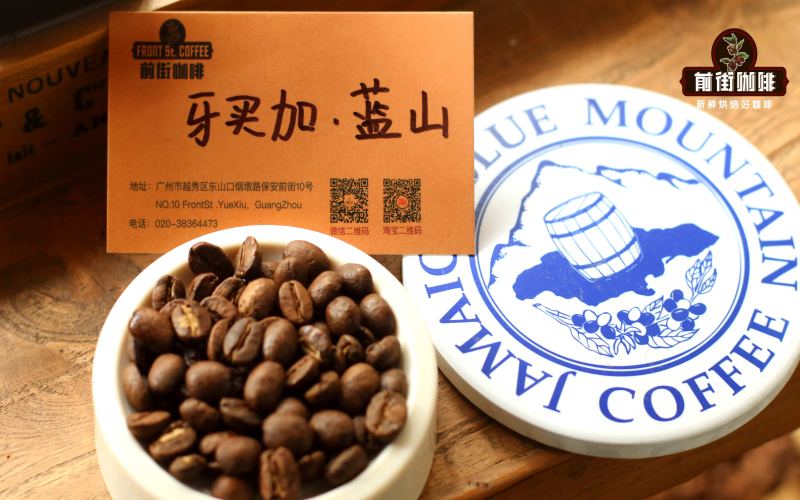
Front Street Blue Mountain No. 1 coffee beans come from the core Blue Mountain growing region of Jamaica and are renowned for their balanced, full-bodied taste and elegant aroma, earning them the title of the emperor of coffee. Many friends, however, are unsure how to brew them to bring out their best flavor after buying them, or how to handle them once they have been made into drip coffee bags. This article will explain the key points of pour-over brewing for Front Street Blue Mountain coffee one by one, from equipment selection, coffee dose, grind size, water temperature, and coffee-to-water ratio to the three-stage pouring technique, while also breaking down in detail the four-stage pouring steps for Front Street Blue Mountain drip coffee bags, helping you easily brew a delicious cup of Blue Mountain coffee at home or in the office. [more…]
Jamaica Clifton Estate Blue Mountain Coffee Pour-Over Guide: How to Brew a Blue Mountain Flavor Without Acidity
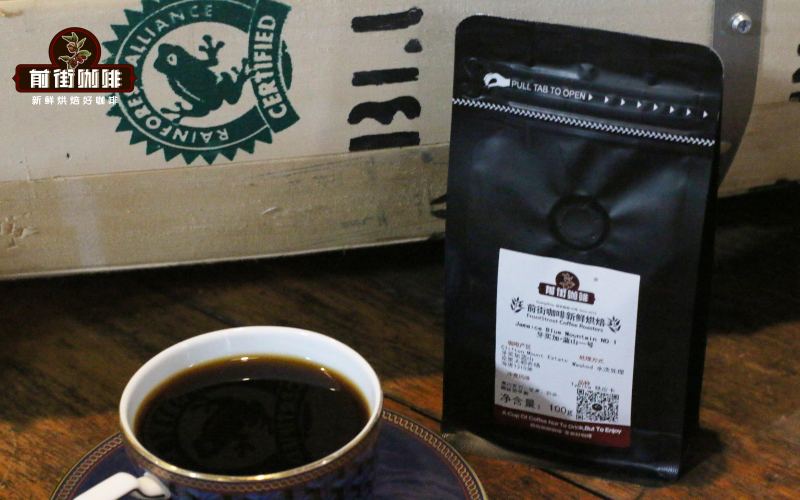
Jamaican Blue Mountain Coffee is one of the earliest specialty coffees widely known in China, beloved for its smooth, balanced body and low acidity. Front Street Coffee takes Clifton Estate as a starting point to provide a detailed introduction to Jamaican Blue Mountain Coffee's origin classification, estate production processes, CIB certification and grading standards, as well as the flavor characteristics and pour-over parameters of Front Street Blue Mountain No. 1 Coffee. The article also shares how to use a KONO dripper, 88°C water temperature, and a three-stage pouring method to extract a mellow, balanced Blue Mountain Coffee with soft acidity, helping coffee enthusiasts recreate café-quality results at home. [more…]
How should you brew Blue Mountain black coffee to make it taste best? A complete guide from bean selection to extraction.
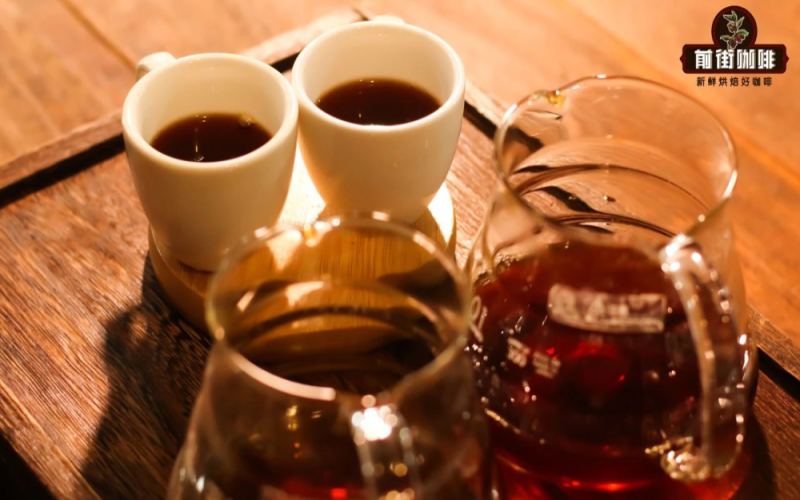
Blue Mountain coffee is renowned for its balanced, mellow taste; its dark chocolate notes, gentle fruit acidity, and lingering sweet aftertaste captivate many coffee lovers. But to truly bring out the layers of Blue Mountain coffee, every step matters, from bean selection and roast level to grinding, water temperature, and pouring rhythm. This article uses the washed Blue Mountain No. 1 from Clifton Estate sold by Front Street Coffee as an example to walk through the complete brewing process, from green bean characteristics and roasting approach to café output parameters, helping you recreate the smooth, solid classic taste of Blue Mountain coffee at home. [more…]
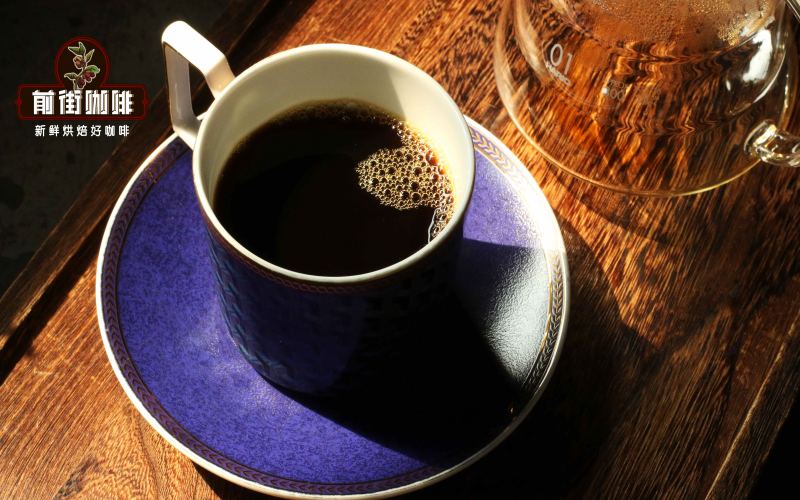
How to brew Blue Mountain coffee correctly? A complete practical guide from bean selection to extraction
Blue Mountain coffee is renowned for its balanced, mellow body; its notes of dark chocolate, gentle fruit acidity, and caramel sweetness leave countless coffee lovers enchanted. But if you truly want to taste the layered complexity of Blue Mountain coffee, every step matters—from bean selection and grinding to water temperature and pouring technique. Using Front Street Coffee's Clifton Estate Washed Blue Mountain No. 1 as an example, this article breaks down the bean's origin background, roasting approach, and pour-over parameters in detail, and provides a complete café-level extraction process to help you consistently recreate the classic, solid flavor profile of Blue Mountain coffee at home. [more…]